Industrial Embedded SOM | COM Express, COM-HPC, SMARC, Qseven and OSM Modules
EMBEDDED SOM
System on Module (SOM) are one of the most efficient and scalable approaches to embedded system design. By integrating the processor, memory, graphics and core computing functions into a compact, standardized module, SOMs allow developers to focus on application-specific carrier board design while reducing development time, engineering complexity and project risk.
This modular architecture enables OEMs and system designers to accelerate product development, simplify hardware maintenance and extend product lifecycles by upgrading the compute module without redesigning the entire system.
The Digimax portfolio includes the industry's leading SOM standards:
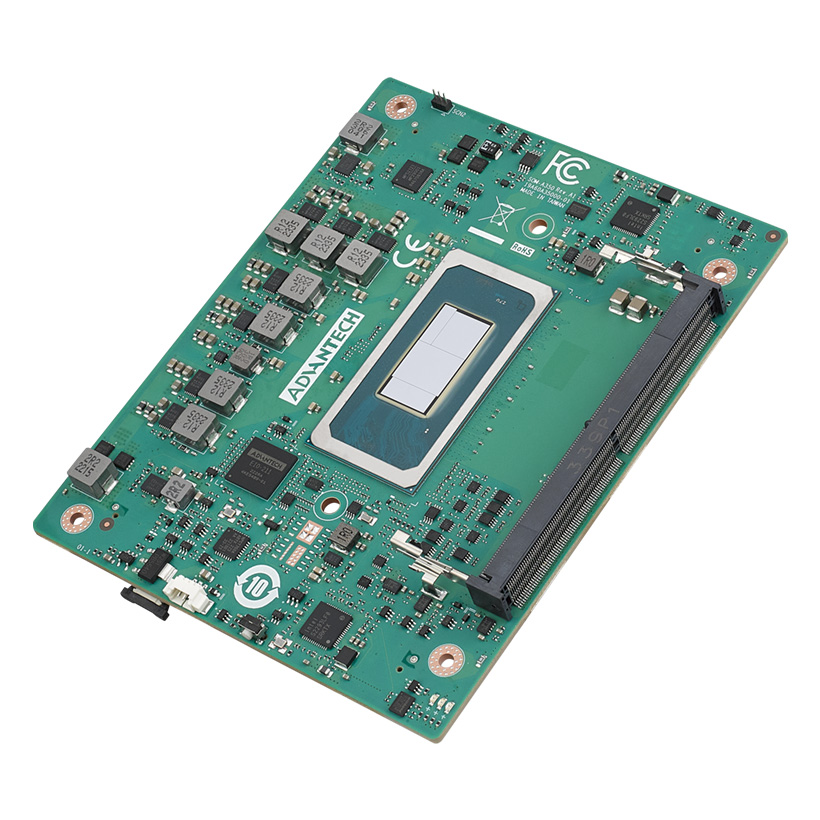
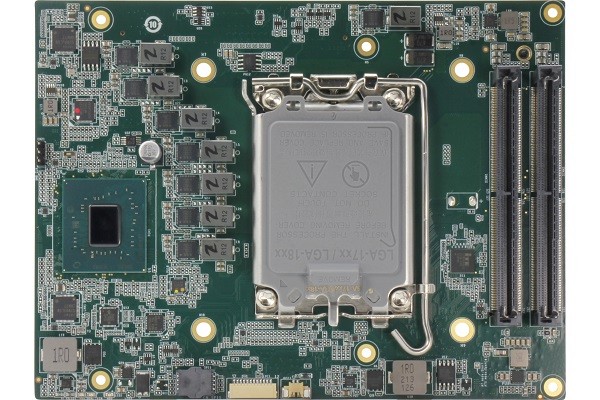
- COM Express Basic Type 6
- COM Express Basic Type 7
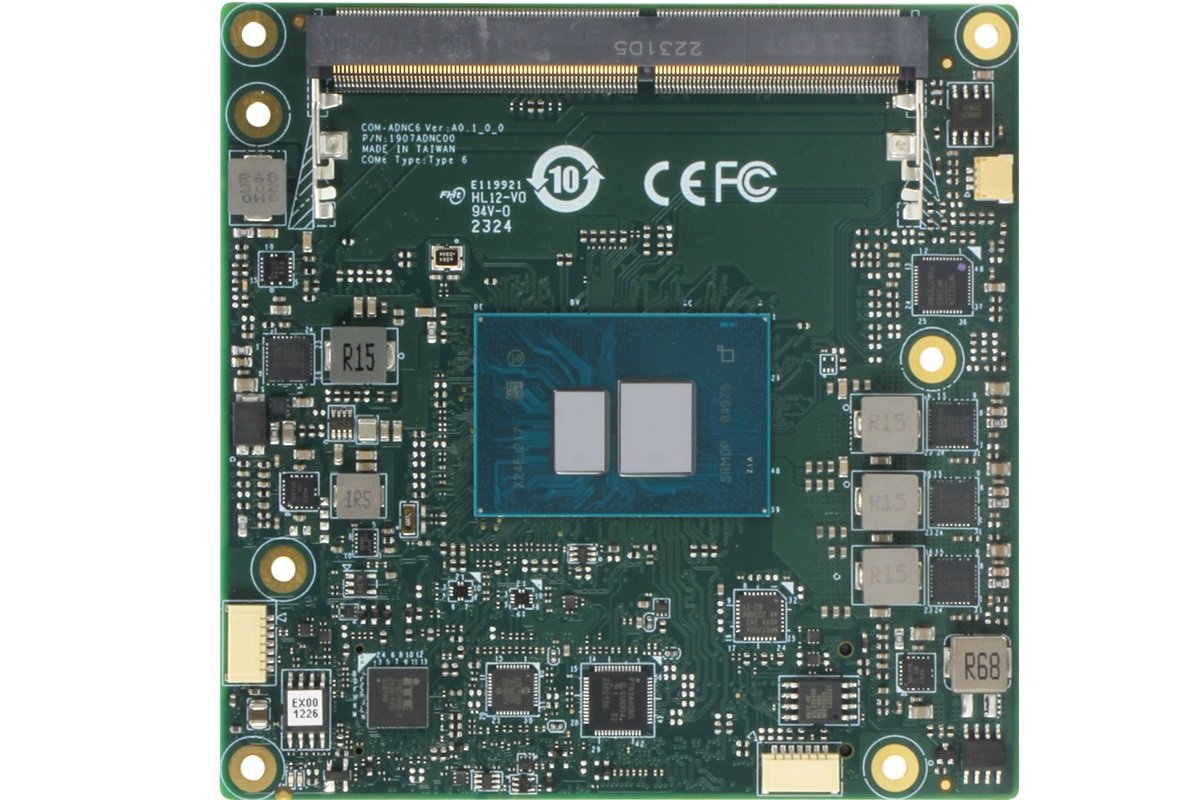
- COM Express Compact Type 6
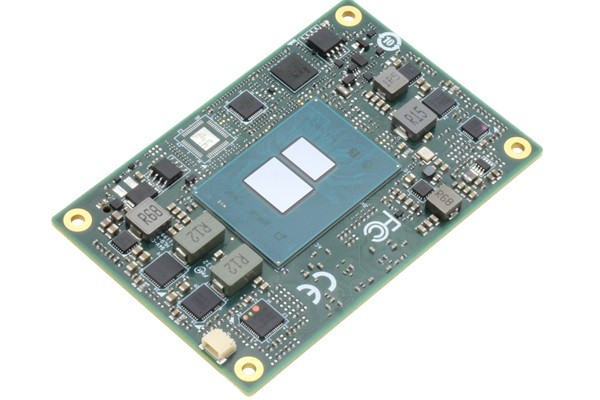
- COM Express Mini Type 10
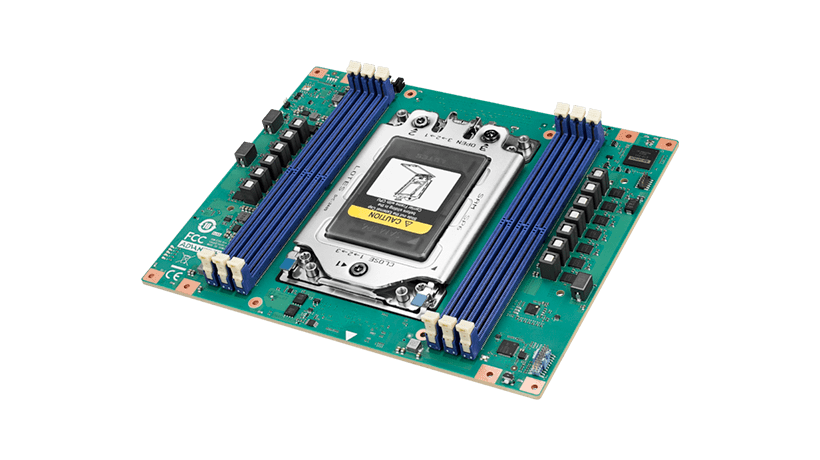
- COM-HPC
- SMARC
- Qseven
- OSM (Open Standard Module)
Available from leading manufacturers such as Advantech and AAEON, these platforms deliver industrial-grade reliability, long-term availability and extensive support for embedded OEM projects.
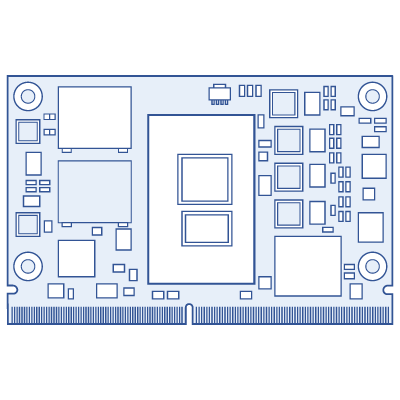
Discover all categories
Filtra per
-
- Select a value
-
- Select a value
-
Results
Sort by
Elements per page
No exact match, try with fewer filters or a more generic term
Why Choose a System on Module Architecture?
System on Modules simplify embedded system development by integrating the most complex computing elements into a pre-validated platform.
A SOM typically includes:
CPU and chipset
High-speed memory architecture
Graphics and AI acceleration
Power management
BIOS and firmware
Industrial operating system support
Validated hardware design
Instead of designing a complete CPU board from scratch, developers can create a custom carrier board tailored to the application's unique I/O requirements, significantly reducing development costs and shortening time-to-market.
This approach is particularly valuable for companies developing industrial equipment, medical systems, transportation devices and intelligent edge solutions.
Long Lifecycle Support for OEM Applications
One of the key advantages of industrial SOM platforms is their long product availability.
Manufacturers such as Advantech and AAEON provide long-life programs with product availability often extending from 5 to 10 years, ensuring long-term supply continuity for embedded and industrial applications.
This is especially important for industries requiring stable hardware platforms over extended periods, including:
Industrial automation
Medical devices
Transportation systems
Defense and security
Energy infrastructure
Telecommunications
Industrial instrumentation
The modular architecture also enables future processor upgrades while preserving the existing carrier board design, simplifying product evolution and lifecycle management.
A Complete Ecosystem of Embedded SOM Standards
COM Express
COM Express is the most widely adopted Computer-on-Module standard for industrial embedded computing.
The family includes several variants designed for different performance requirements:
COM Express Basic Type 6 for industrial automation, HMI systems and graphics-intensive applications.
COM Express Basic Type 7 for edge servers, networking appliances and data-centric systems.
COM Express Compact Type 6 for projects requiring high performance in a smaller footprint.
COM Express Mini Type 10 for compact and low-power embedded applications.
These modules provide an optimal balance between performance, flexibility and long-term maintainability.
COM-HPC
COM-HPC represents the next generation of high-performance computer-on-module technology.
Compared to traditional COM Express platforms, COM-HPC delivers:
Higher I/O bandwidth
Increased PCIe lane availability
Support for next-generation multi-core processors
Advanced networking capabilities up to 100GbE
Enhanced support for Edge AI and High-Performance Computing
COM-HPC is ideal for machine vision, industrial AI, embedded servers and real-time data processing applications.
SMARC
SMARC (Smart Mobility Architecture) is a compact, low-power SOM standard optimized for embedded edge devices.
It is commonly used in:
IoT gateways
Medical devices
Smart displays
Intelligent HMI systems
Portable and battery-powered equipment
Its compact footprint and energy-efficient architecture make it an excellent choice for modern connected devices.
Qseven
Qseven is a proven ultra-compact SOM standard designed for embedded applications where space and power efficiency are critical.
Typical applications include:
Embedded controllers
Interactive kiosks
Smart displays
Compact automation systems
OEM industrial products
Qseven combines a small form factor with industrial-grade reliability and flexibility.
OSM (Open Standard Module)
OSM is a newer standard designed specifically for highly compact IoT and embedded devices.
Unlike traditional SOMs, OSM modules are designed for SMT assembly directly onto carrier boards, enabling:
Extremely compact product designs
Reduced manufacturing costs
High-volume production optimization
Enhanced integration flexibility
OSM modules are particularly attractive for Edge IoT devices, smart sensors and industrial embedded products requiring high levels of miniaturization.
Typical Applications
Industrial System on Modules are used across a wide range of industries and applications:
Industrial automation
Machine control
Industrial IoT
Edge computing
Embedded artificial intelligence
Robotics and autonomous systems
Machine vision
Medical equipment
Transportation and smart mobility
Telecommunications
Energy management
Industrial instrumentation
Digital signage
Smart devices
Why Choose Digimax
Digimax supports OEMs, hardware developers and system integrators in selecting the most suitable SOM platform for their embedded projects.
Through partnerships with Advantech and AAEON, we provide:
Technical pre-sales consulting
Evaluation kits and carrier boards
BSP and software support
Linux and Windows integration assistance
Long-term availability planning
Product migration support across processor generations
Development and design guidance
Our technical team helps customers from initial proof-of-concept through full-scale industrial deployment, ensuring reliable and future-proof embedded solutions.
FAQ - Frequently Asked Questions
What are the advantages of using a SOM instead of designing a custom CPU board?
A SOM reduces development time, engineering complexity and project risk by providing a pre-validated computing platform while allowing complete flexibility in carrier board design.
What is the difference between COM Express and COM-HPC?
COM-HPC is the evolution of COM Express for high-performance embedded computing. It offers greater bandwidth, more PCIe connectivity, advanced networking capabilities and support for next-generation processors used in AI and edge server applications.
When should I choose a SMARC module?
SMARC modules are ideal for low-power embedded devices, IoT gateways, medical systems, smart displays and portable equipment requiring compact dimensions and energy efficiency.
What are Qseven modules typically used for?
Qseven modules are commonly used in compact embedded systems, industrial controllers, intelligent displays, kiosks and OEM applications where space constraints are critical.
What are OSM modules designed for?
OSM modules are designed for highly compact embedded and IoT devices that require SMT assembly, high-volume production and optimized system integration.
Which operating systems are supported by industrial SOMs?
Most SOM platforms support Windows IoT Enterprise, Linux (Ubuntu, Yocto and Debian), Android for selected platforms and various real-time operating systems depending on the processor architecture and application requirements.
How long is the lifecycle of an industrial SOM?
Industrial SOM manufacturers such as Advantech and AAEON typically provide product availability between 5 and 10 years, ensuring continuity for long-term OEM projects.
Can I upgrade the processor without redesigning my entire system?
Yes. One of the primary benefits of a SOM architecture is the ability to upgrade the compute module while retaining the existing carrier board design, reducing redesign costs and accelerating product updates.
How can I purchase industrial SOM solutions from Digimax?
You can request a quotation directly through Digimax or contact our technical team for assistance with module selection, evaluation kits, carrier boards, BSP availability and long-term project planning.